
“new life begins in the dark.” barbara brown taylor
as a child i was afraid of the dark. i was sure things lived in it, waiting for me. years later, that turned around. the dark was not only where things end, the way every day does. it was also where they begin.
i was named nyambura after my grandmother. in kikuyu custom, the first four children are named after their grandparents. the name goes back further still, to nyambura, one of the nine daughters of gikuyu and mumbi, the first people ngai made, whose line became the ambura clan. mbura is rain, and some say this clan were rainmakers. i like to think i brought the rain with me.
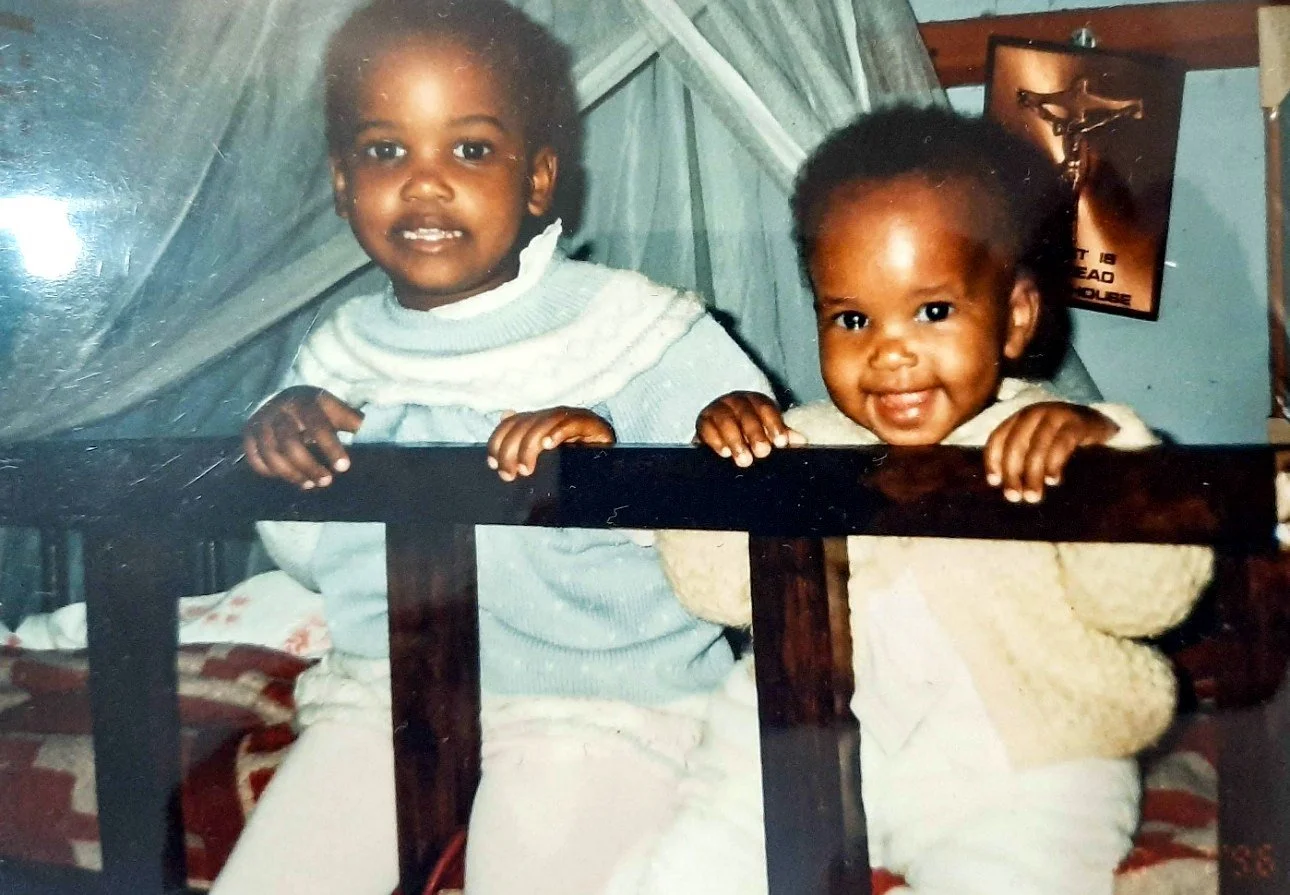
growing up, my dad taught us who we are. our family, our ancestors, our tribe, where we come from, our traditions, our art, the colour of it all. i grew up proud of every bit of it. he taught us this too. he would point at our arms and say, look, is that black? it's brown. you're african. so growing up, i was never black. i lived in bright colour, in a loud family, adventurous and expressive.
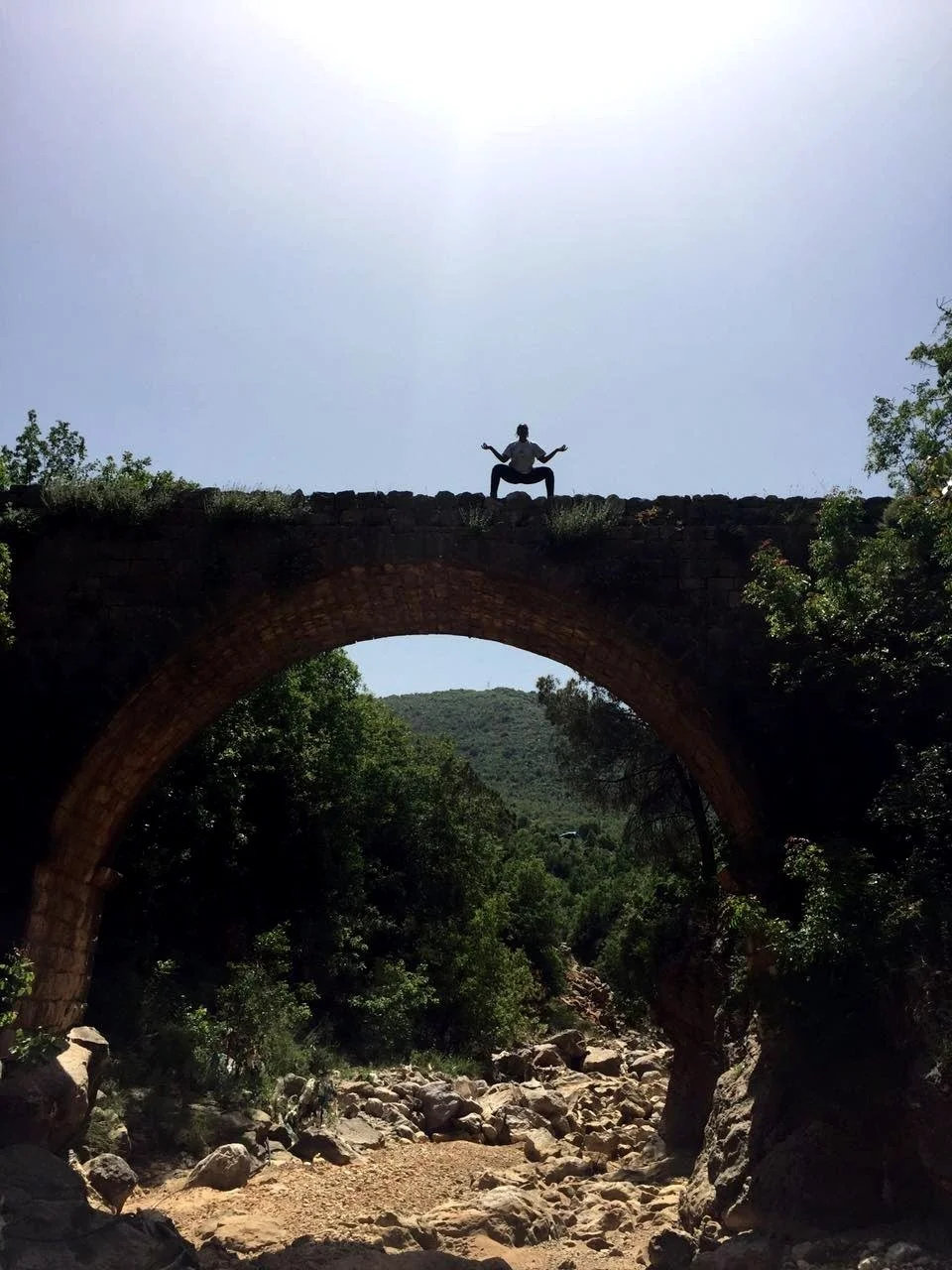
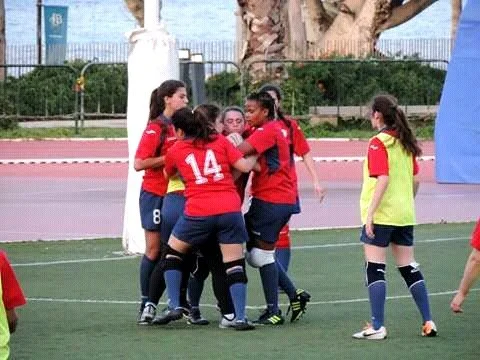
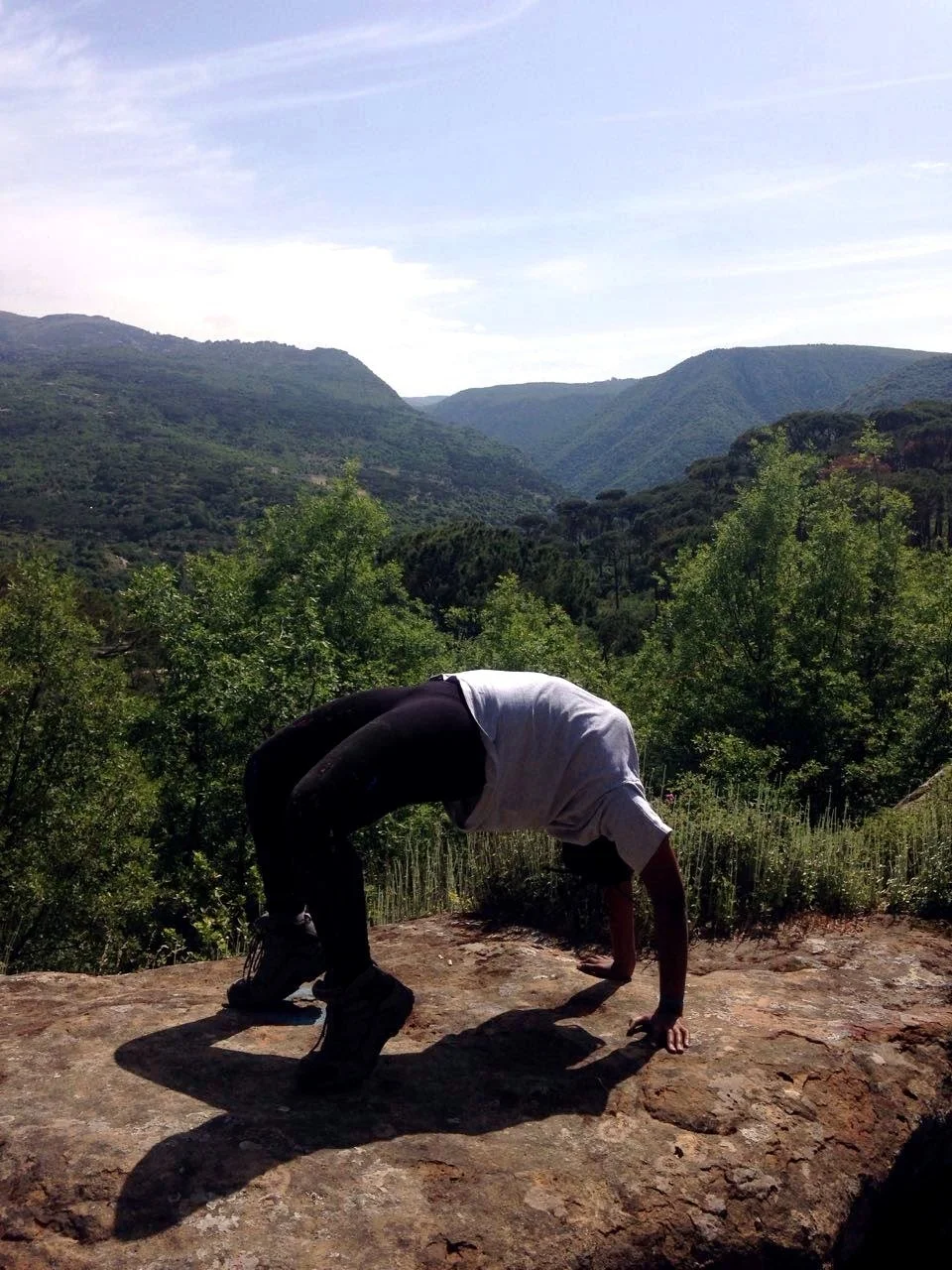
in 2013 i moved to beirut, lebanon, for university, and ended up studying art. it was one of the best decisions of my life. i played rugby and other sports, joined the african club and the art club, graduated with distinction in art, and found a beautiful community. it was a crazy ride, the learning, the growing, the expanding, the whole madness of it, and i would do it over and over again. but it was also a heavy time. the war in syria was next door, refugees were pouring across the border, and bombs went off in lebanon too. the country still carried its old lines of colour, class and gender. beirut was full of people of colour from many places, from ethiopia, kenya, sudan, south sudan, benin, sierra leone, ghana, madagascar, the philippines, sri lanka, bangladesh and nepal, and the three other black students on campus, from fiji, nigeria and ghana. that was its own kind of beautiful. but many had come to clean and cook and care and build under the kafala system, which tied each worker to one employer. many could not change jobs or leave the country without their employer's say, and many had their passports taken. human rights watch found that more than one migrant domestic worker was dying every week, many by suicide or by falling while trying to escape. by 2017 it was two a week. there was a darkness in it.
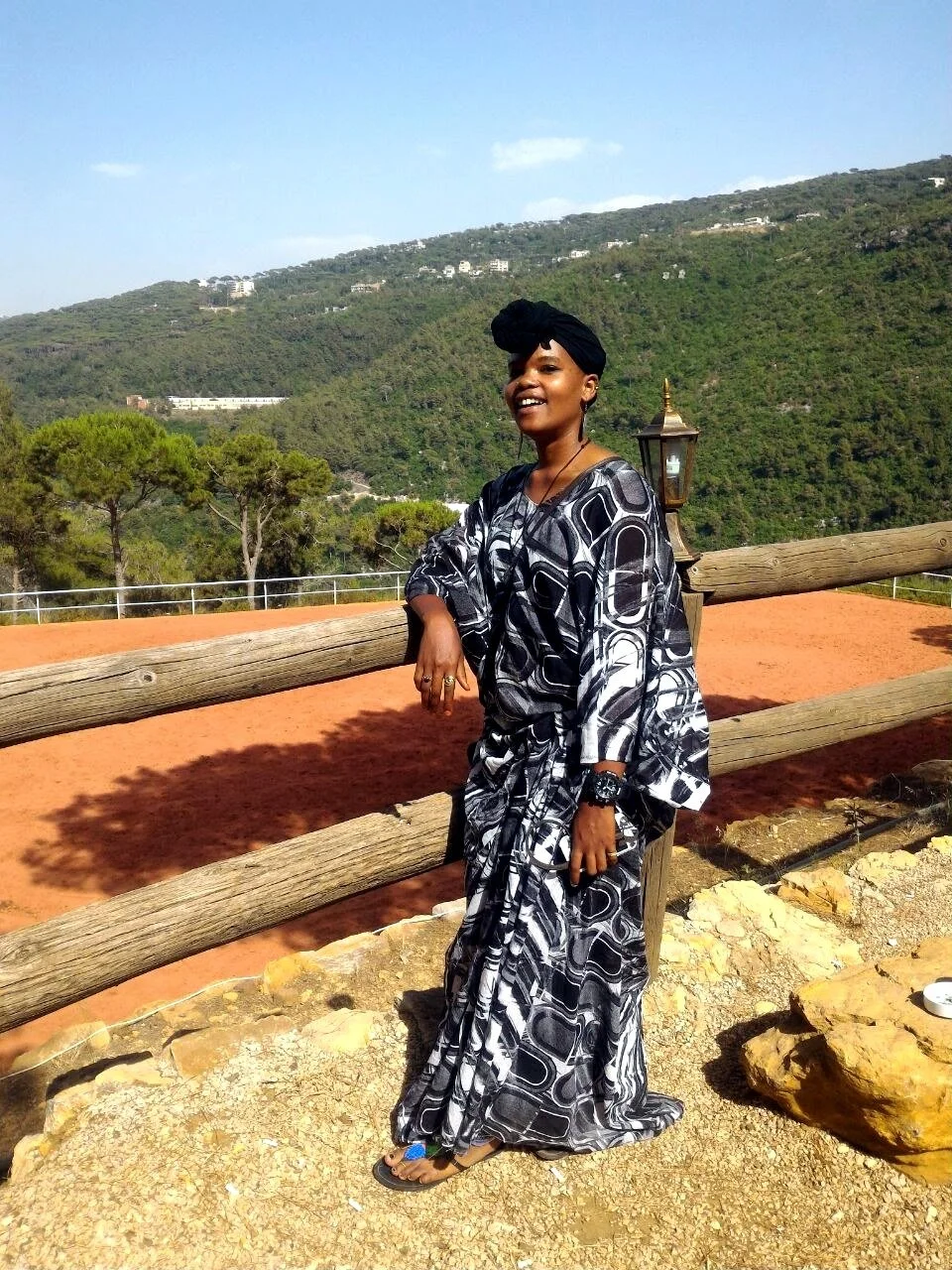
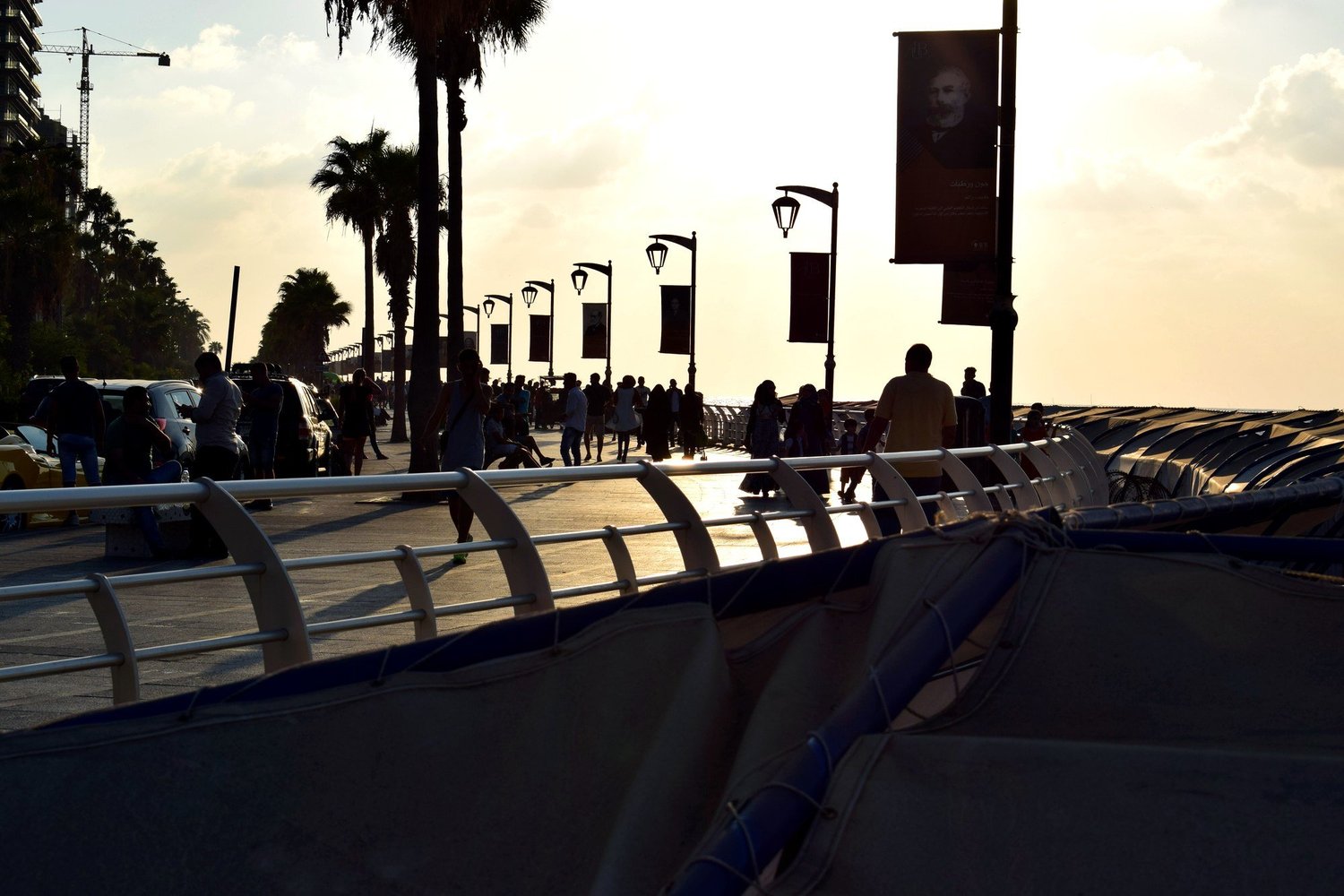
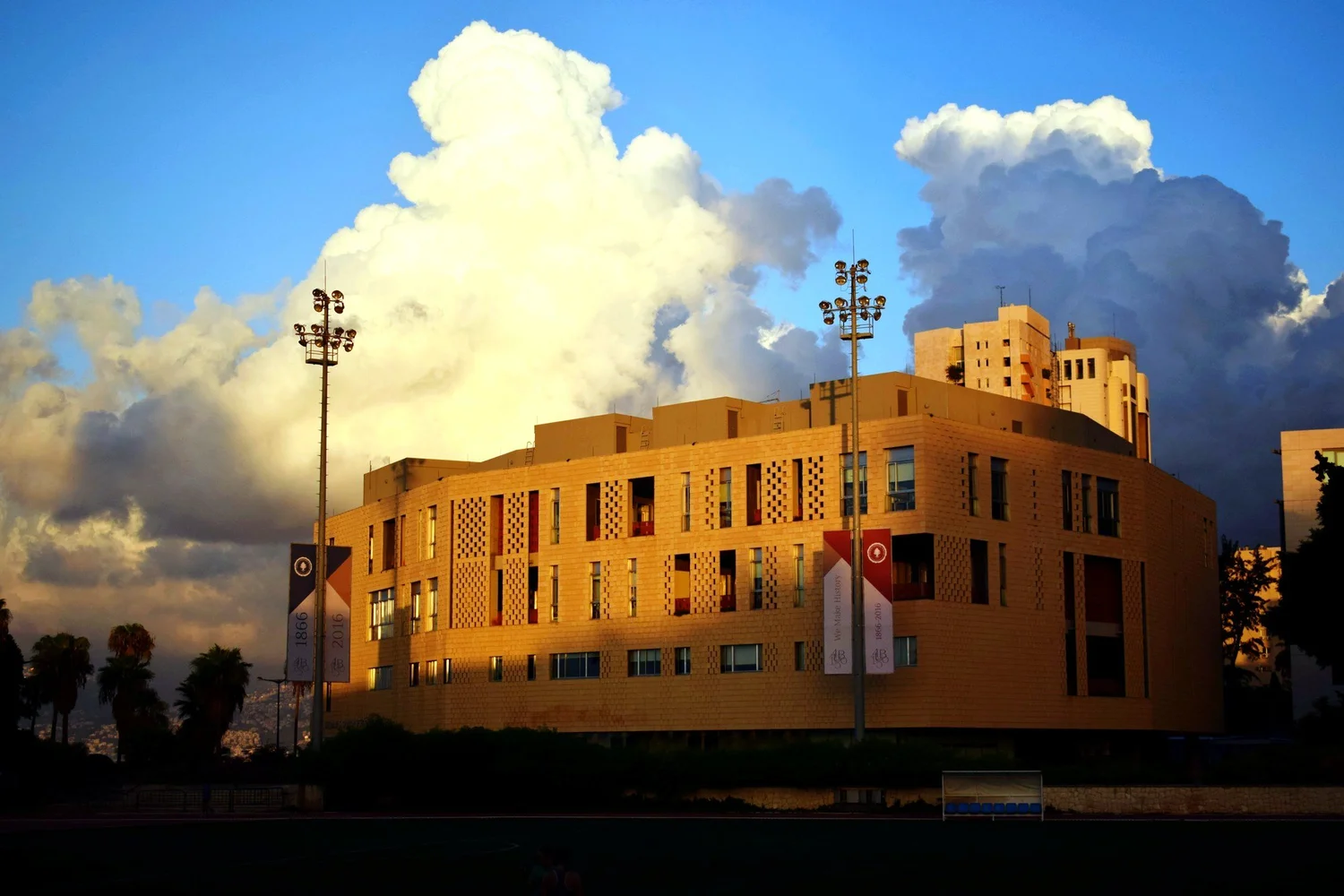
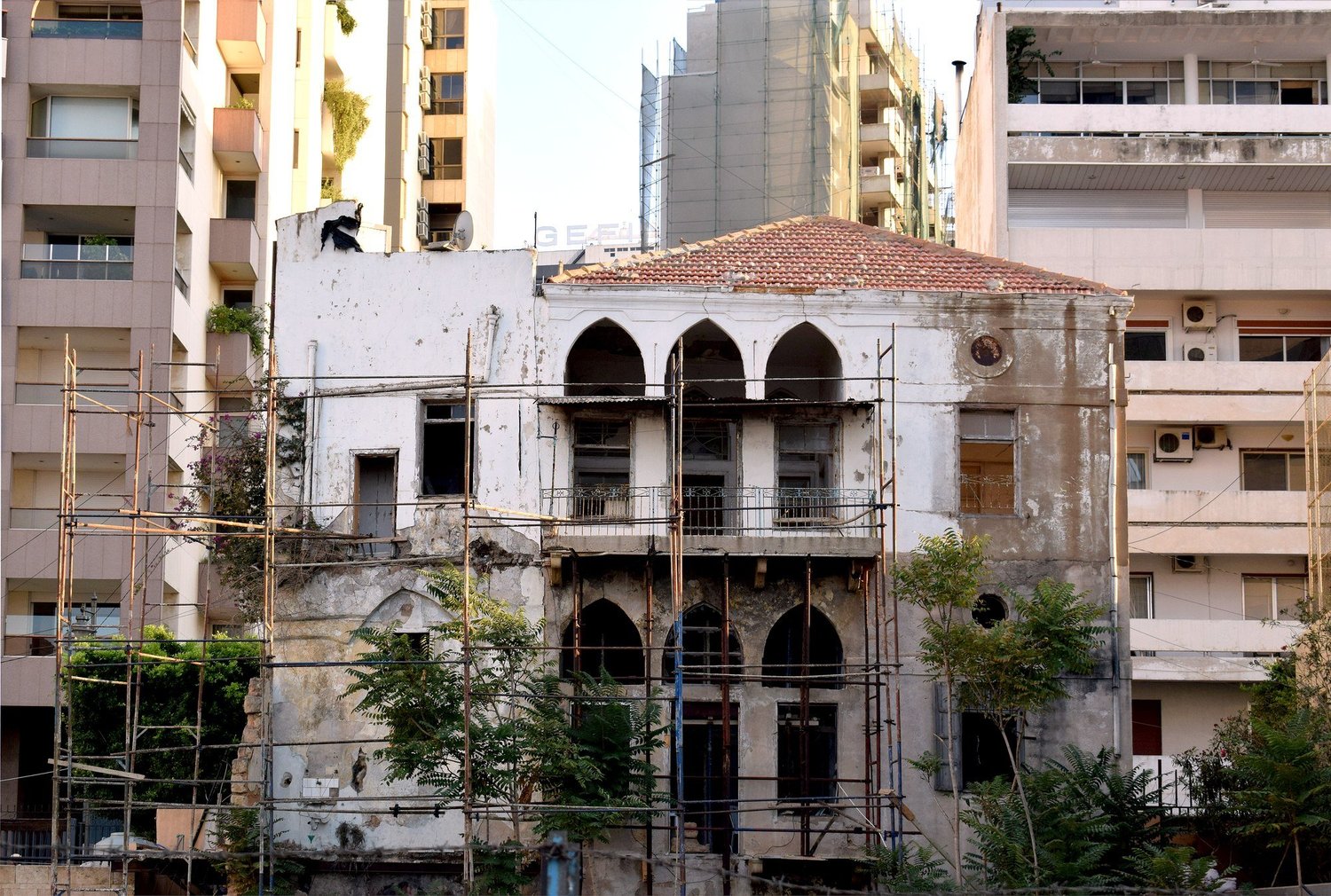
in lebanon, i was black. some people thought i was african, some thought i was mixed, half lebanese, half african, but either way, they saw me as black. i felt it in taxis and shops, in the way some people looked at me before they knew anything else about me. on the street i was called blacky, sometimes as an insult, sometimes as if i were something exotic. there were places where being black meant you were not invited, and places where it meant you were not safe. and i had the best friends, who pulled me in, made room for me everywhere, and hated the racism as much as i did.
for an assignment in my english class, i chose to interview some of the people who had come to work, some of them from east africa. listening to them, i heard home. we came from neighbouring lands, the same kind of soil and rain. we cared for our skin and our hair the same way. we danced the same way, greeted each other the same way, held each other the same way. in their stories i found a history i had never been taught to call my own.
beirut made me think about my name too. at home nyambura is an ordinary name, and i had never thought much about it. in beirut it was rare, and in lebanese slang it sounds like a word for a little penis. the day i landed, the man at passport control looked at my passport, turned red, and called his friend over. this is your name? okay. welcome to lebanon. after that there was a lot of laughter, and a lot of embarrassment, mostly theirs. i knew what i was walking into, and i thought it was hilarious, making people say it. some of my professors wouldn't say my name out loud, and neither would the staff at the hospital. but the more people stumbled over it, the more it became mine. somewhere in all of it, i embraced being the one who calls the rain. even so, i introduced myself to most people as vania, just to skip the drama. if we spent a little more time together, i told them my name, and on every official document, my first name was nyambura. i am still growing into her, still under construction. i am the raincaller, and this is her story, and mine.
around then i was beginning my painting series dwelling, a continuous exploration of the relationship between person, people and space. it lived in black and white and muted tones, in lines and strokes. to me, people are places, and getting to know someone is an adventure. at the time i didn't know it was feeding into raincaller. but the more i drew people as places, the more i wanted to explore the place i knew least, myself.
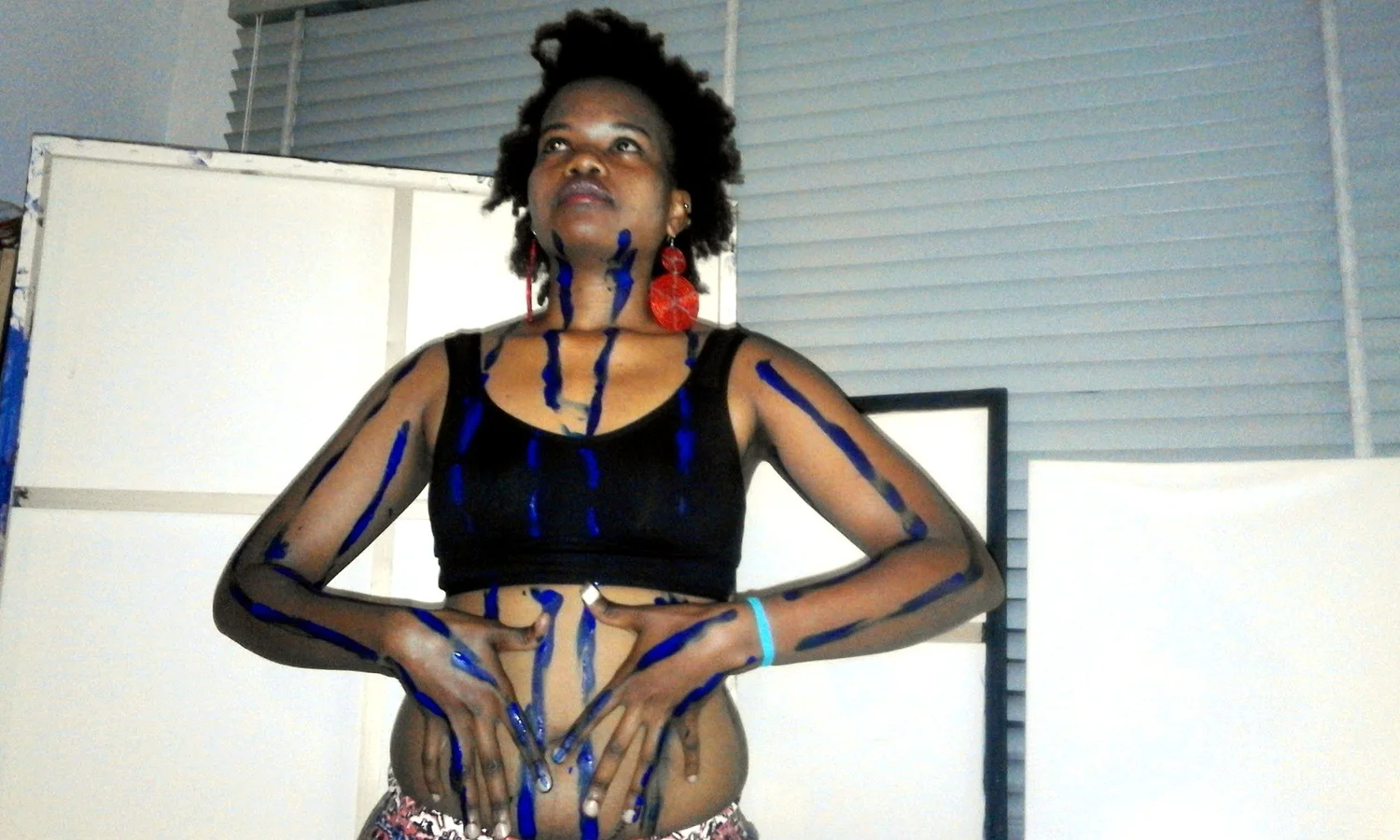
so in november 2016 i started with my skin. i covered it in black paint, as if to wear the way i was being seen, or maybe to finally accept it, and i sat for the camera. then i put colour over the black, stood in front of the camera again, and stepped out, and turned the camera on the people looking back at me. the photographs went into my reproducible image class that semester, one more turn in the self portraits i had already been making.
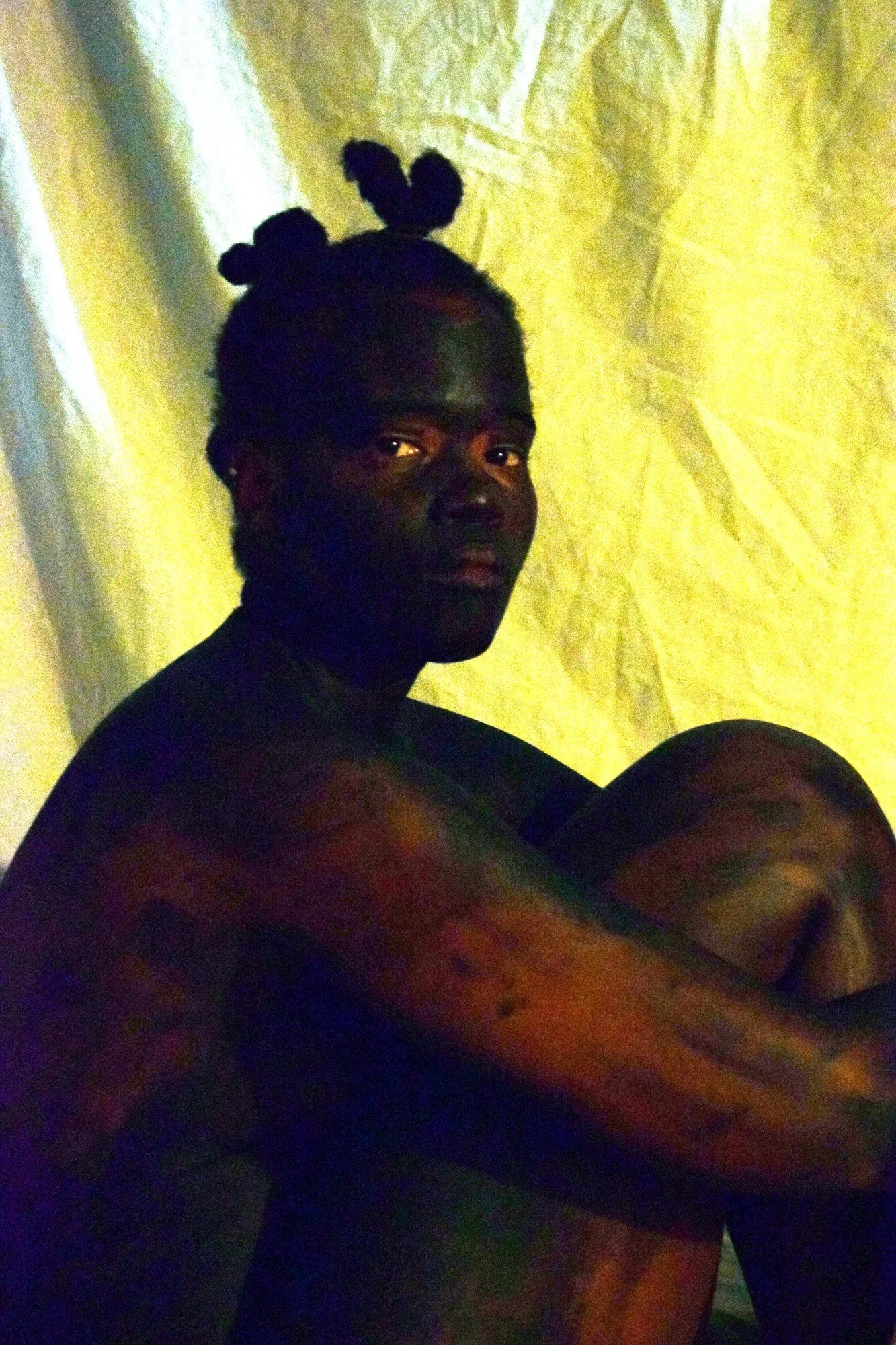
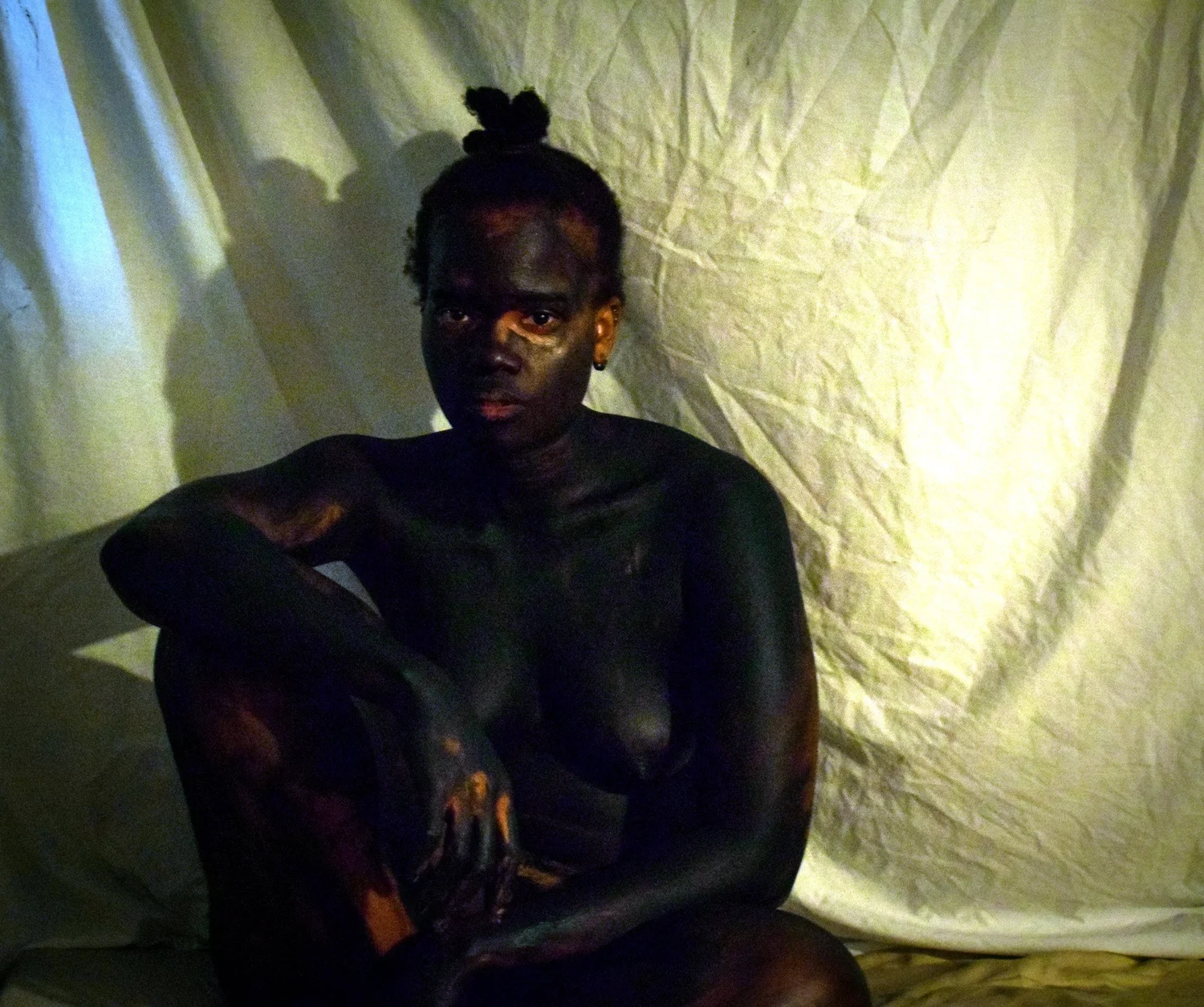
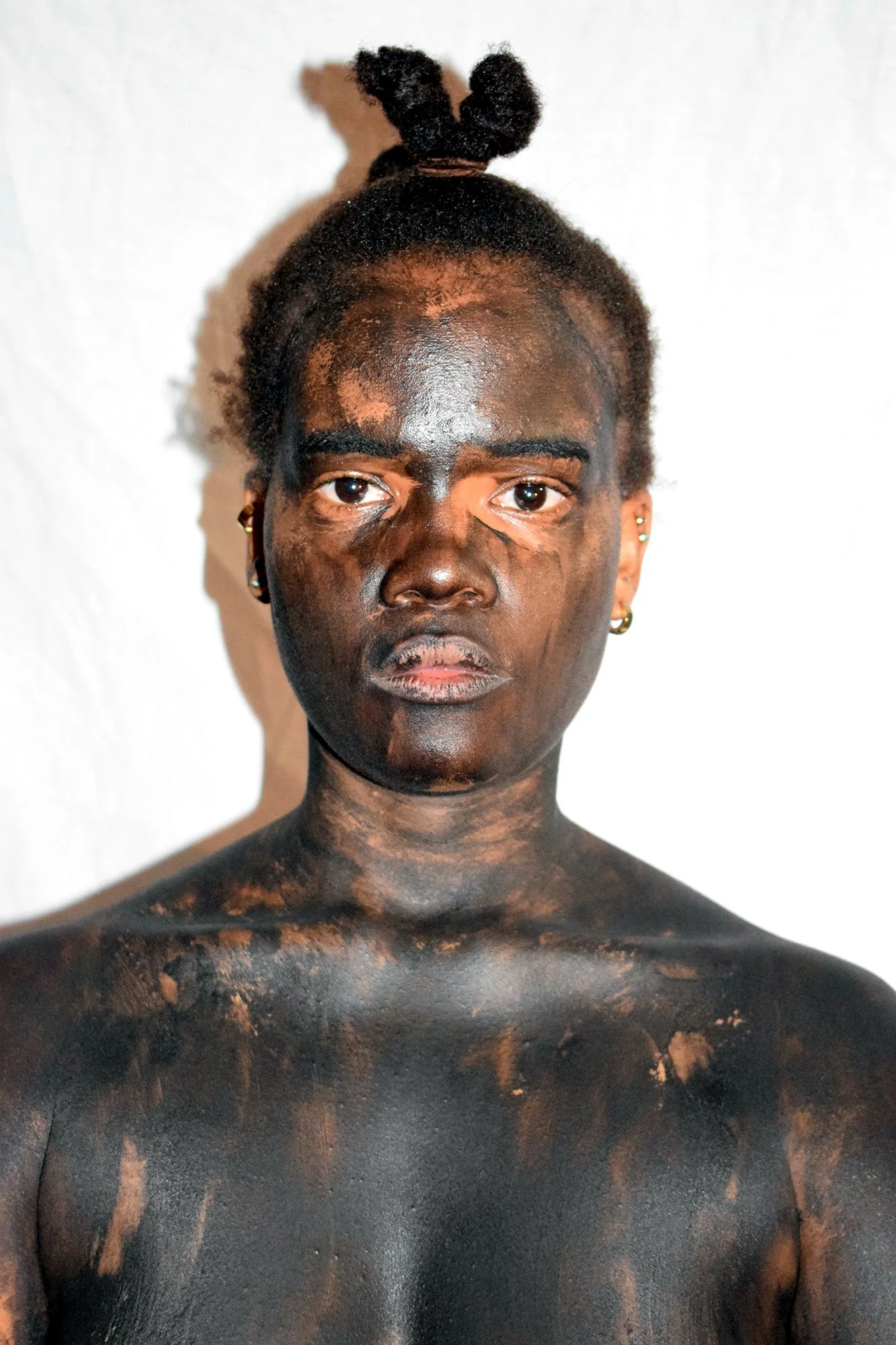
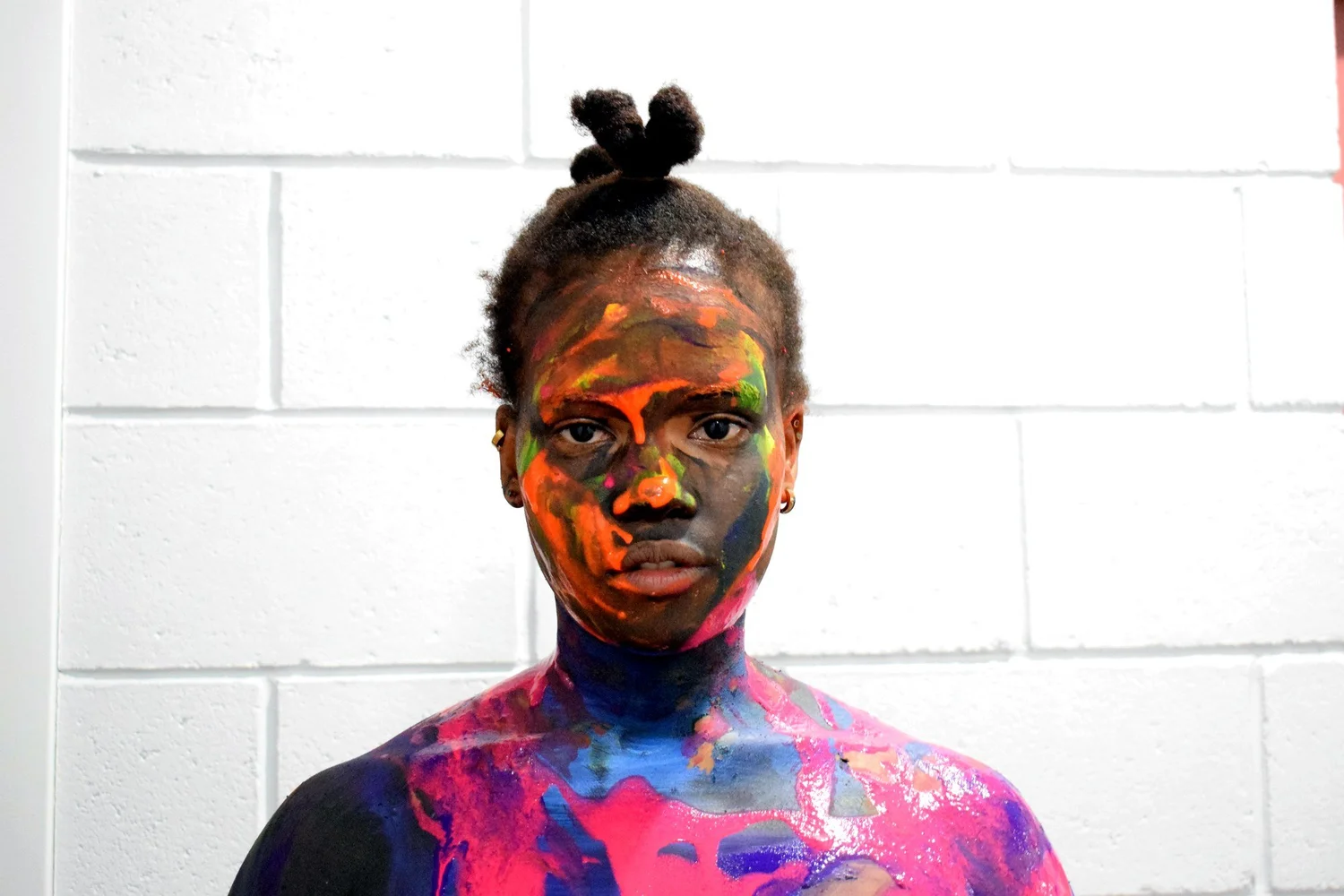
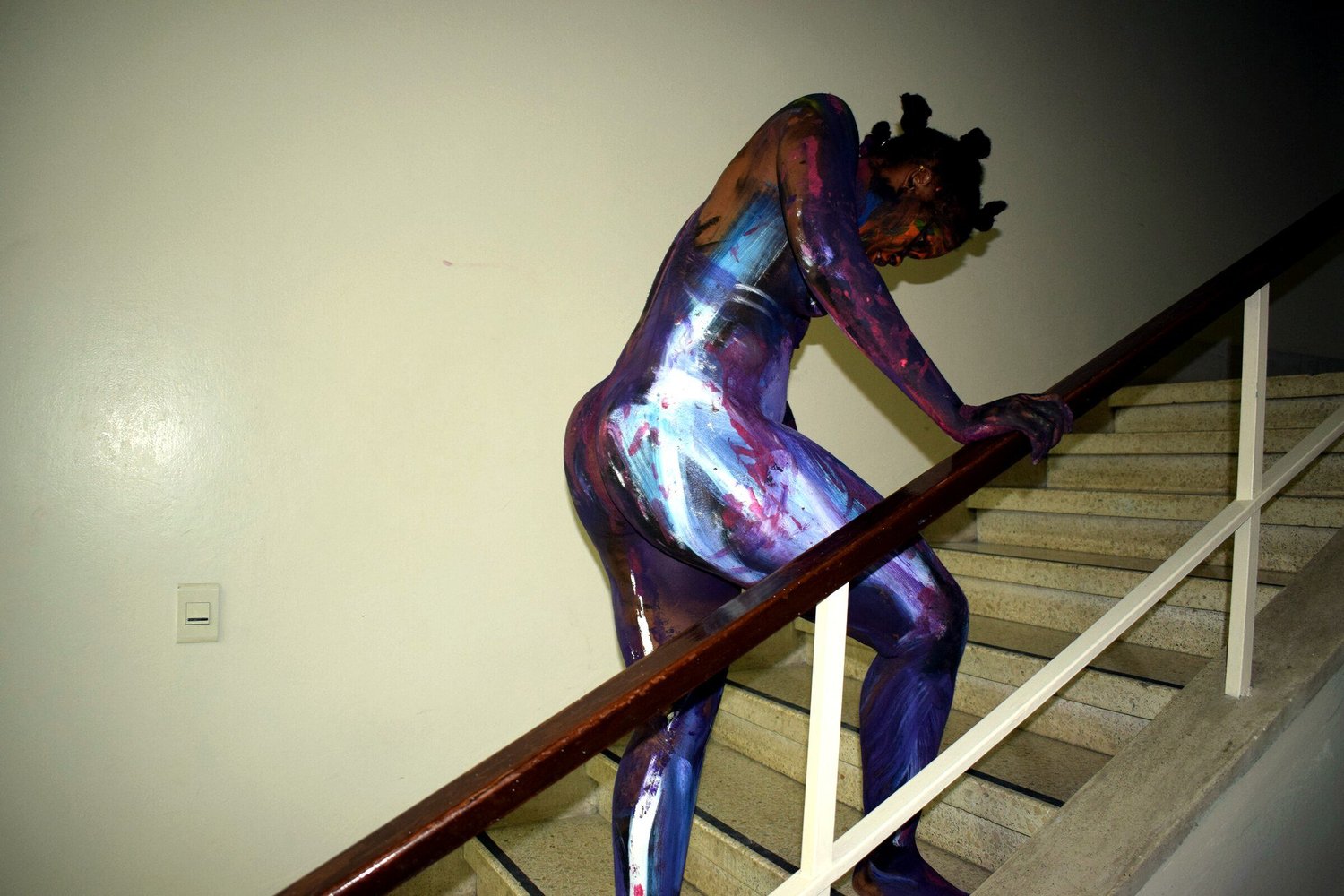
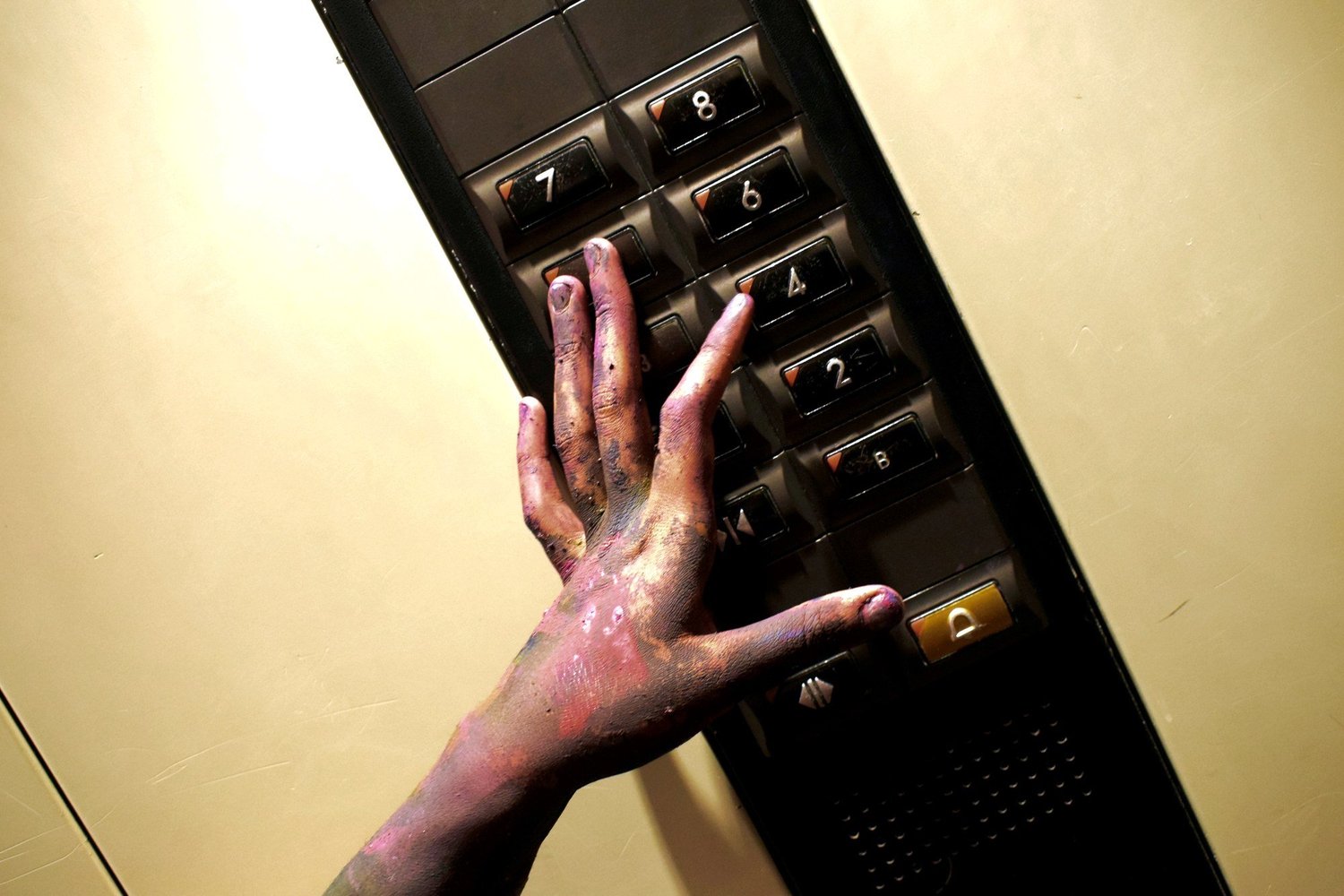
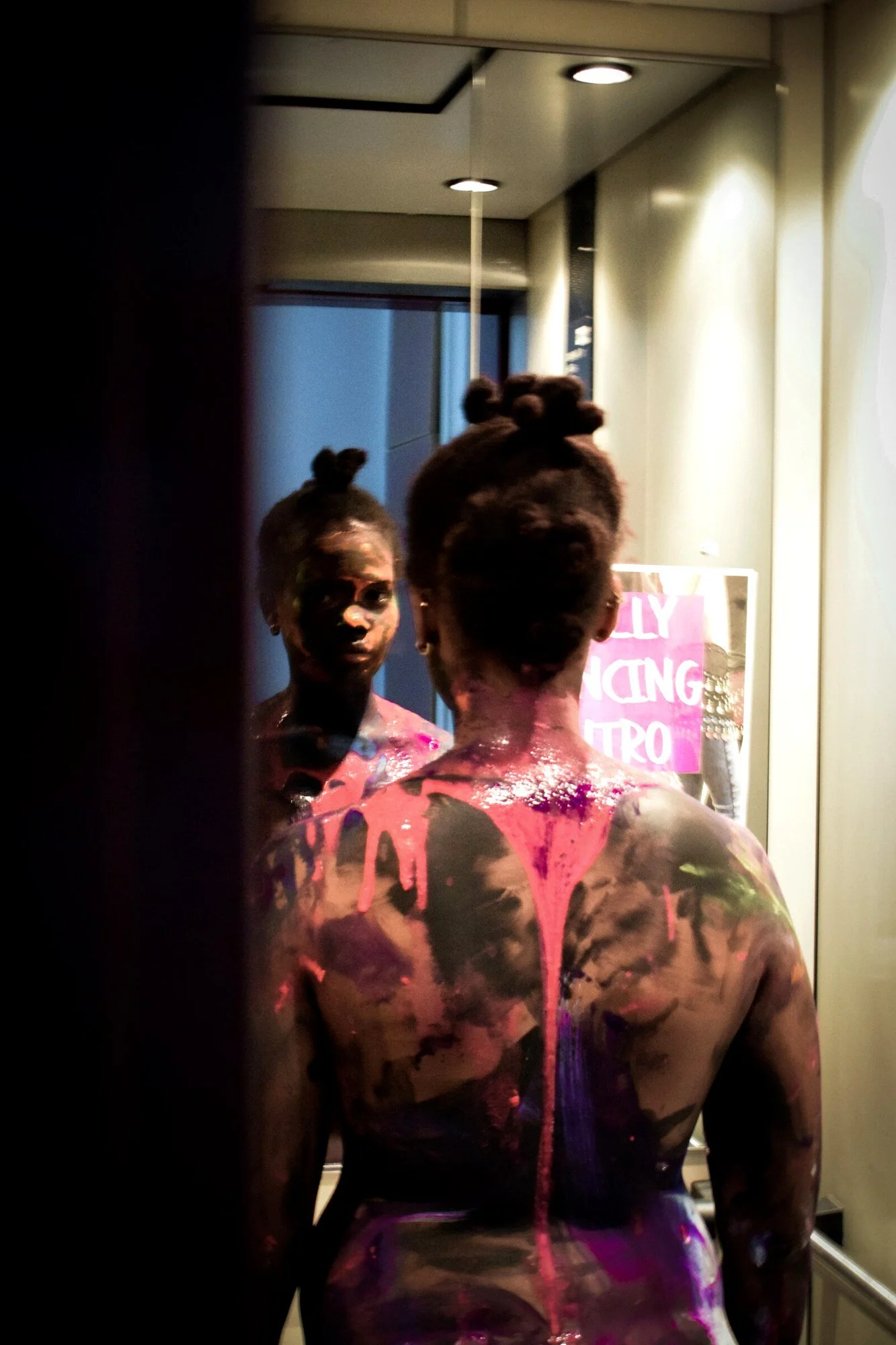
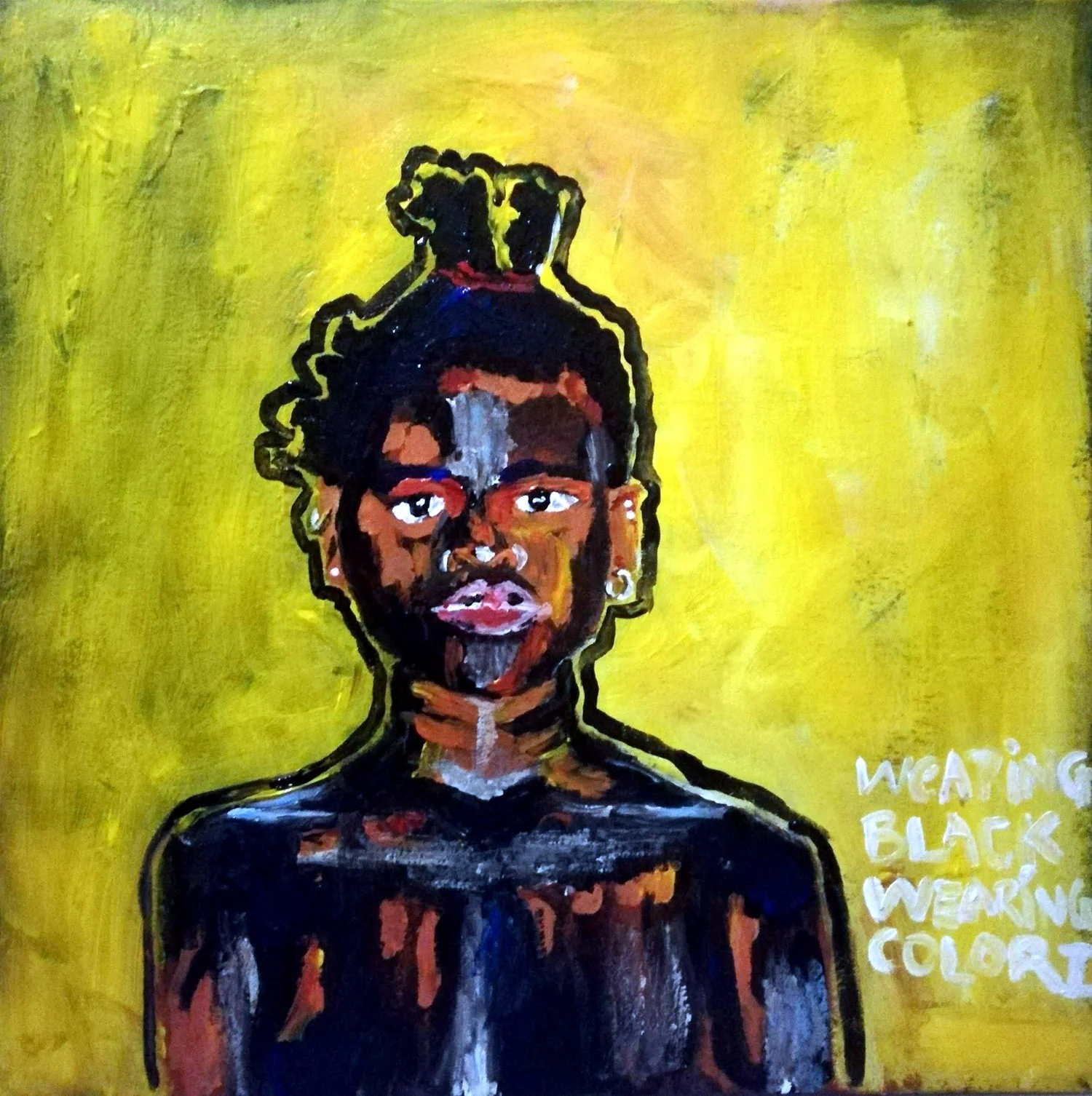
in 2019 i went back to those photographs and started to paint. the first canvas held everything at once: the yellow, the words wearing black, wearing colour, every thought i had about it. when i looked at it, it felt too busy. so i started taking things away.
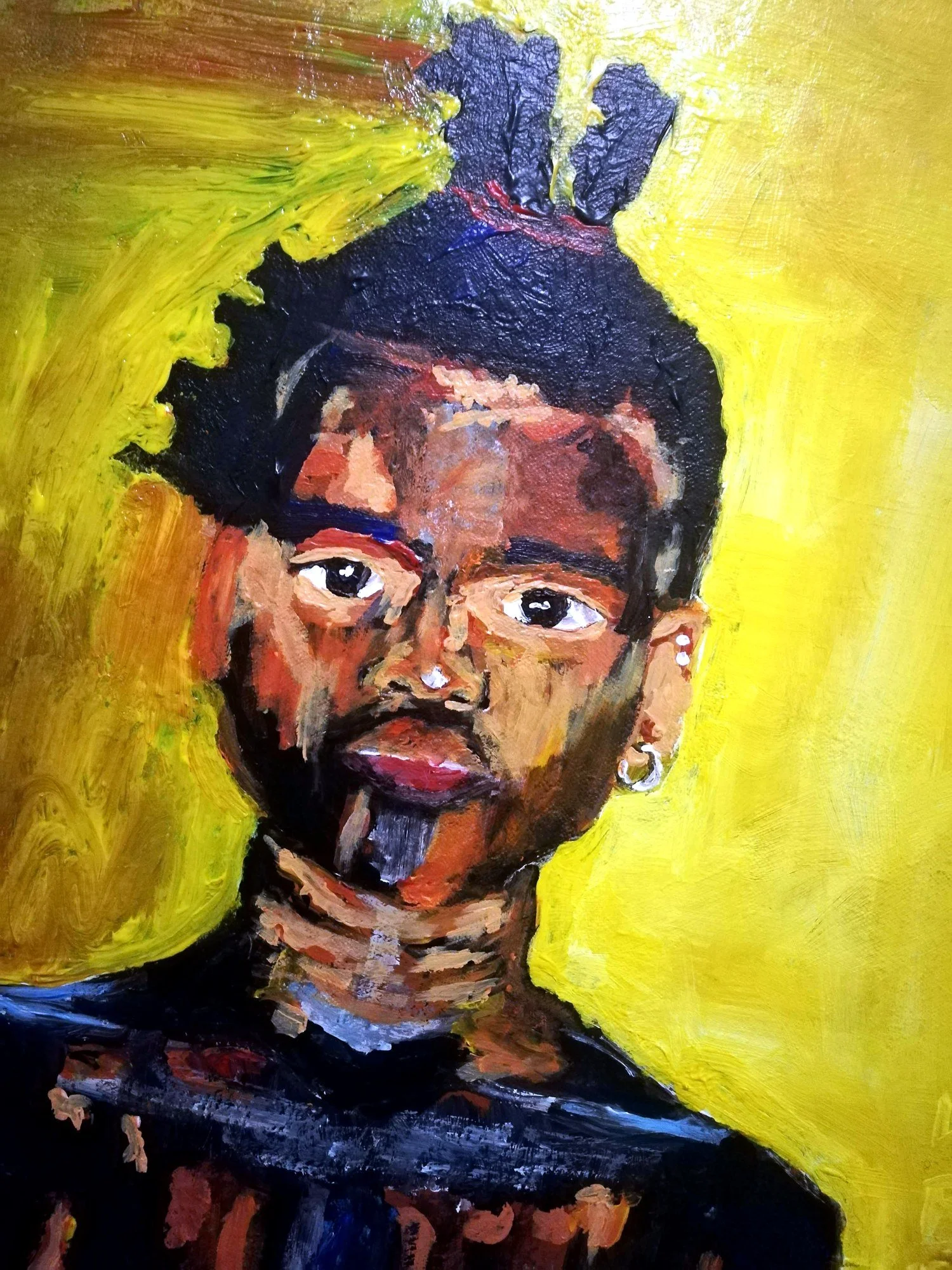
i painted over the colour until she was almost back in the dark,
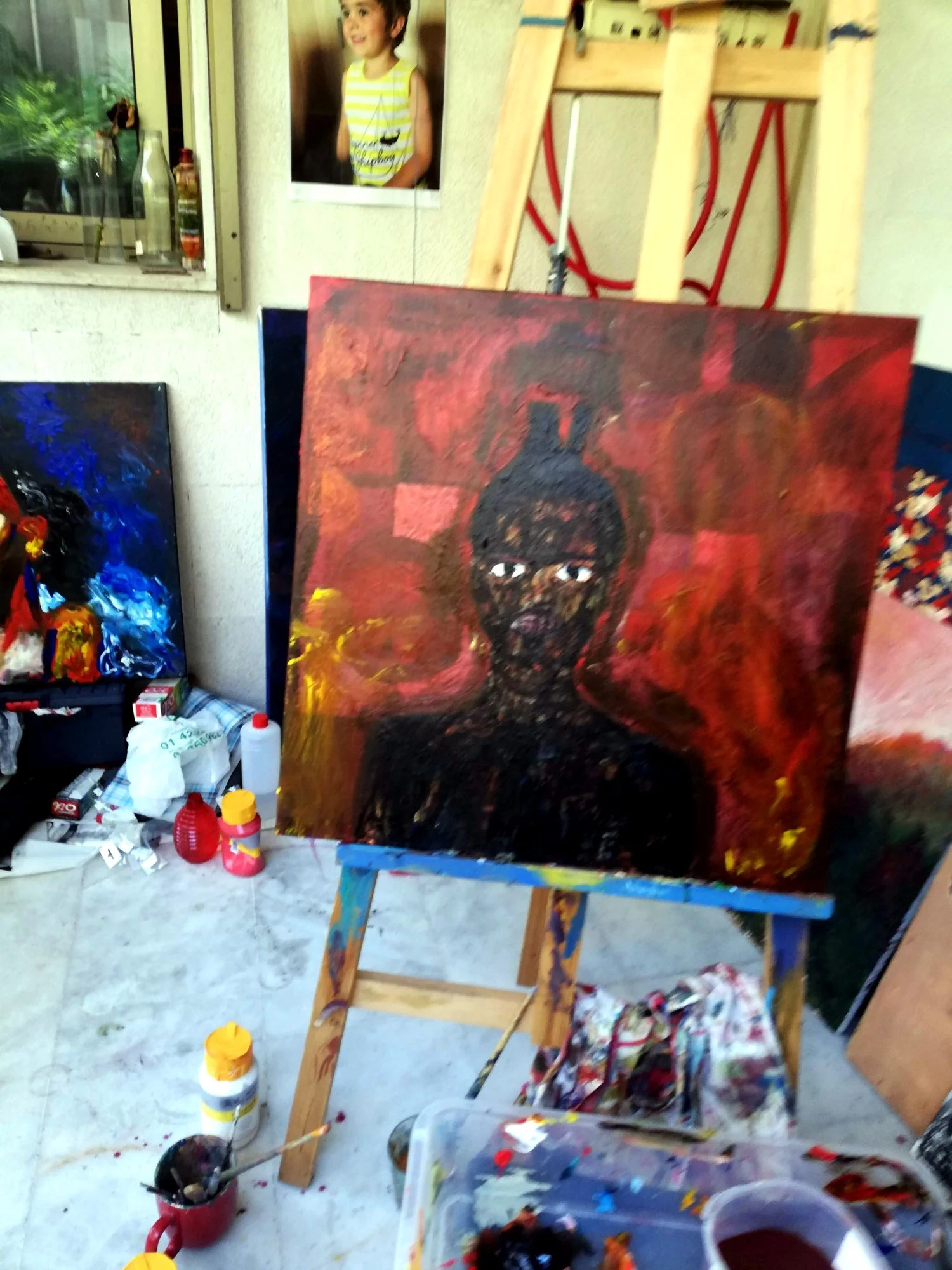
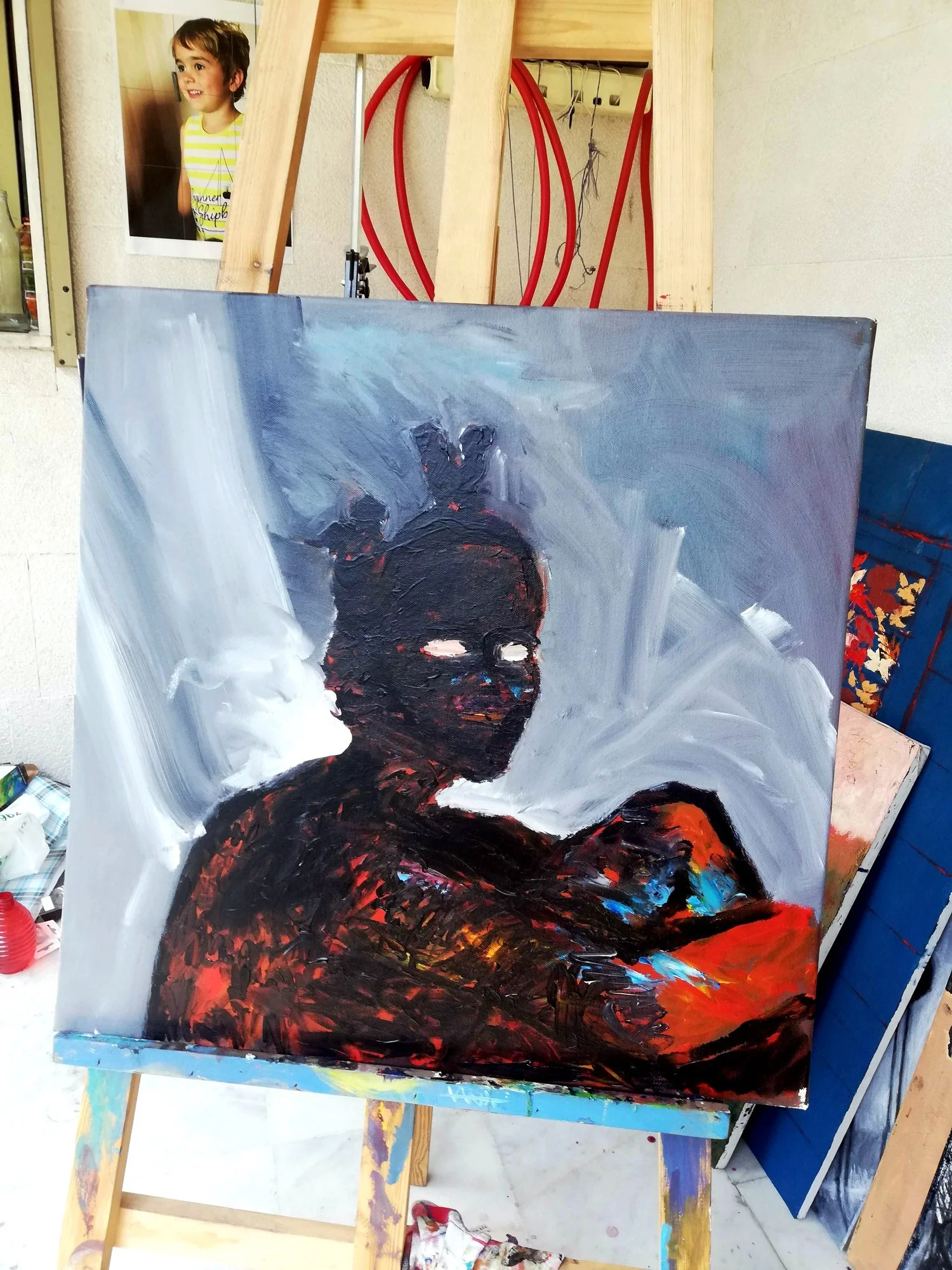
and i kept going until the background was only warm greys and she was still there. her shoulders, the way she sits, her eyes looking straight back. that is where i stopped. she was not hiding anymore, and she was not explaining herself either. she was present, but not seen for what she is. is she concealing herself, or are we the ones who cannot see her? maybe both. maybe neither.
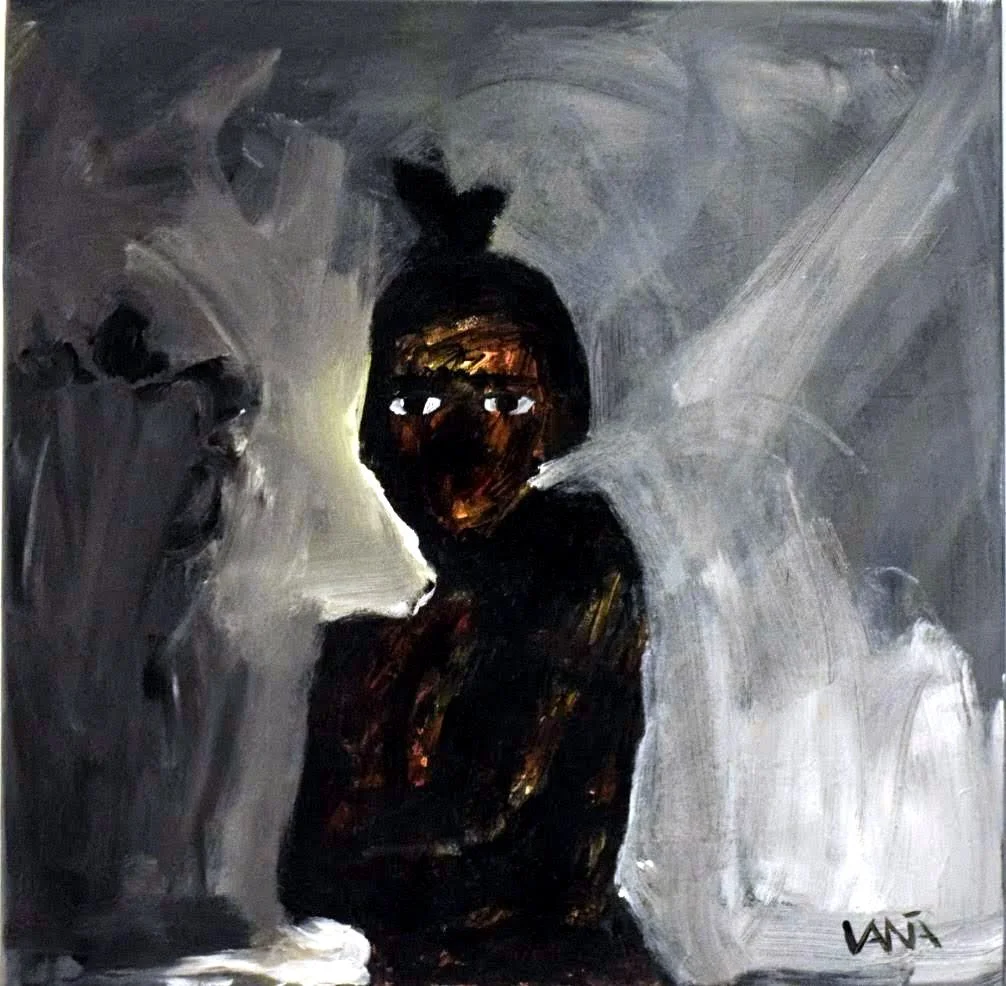
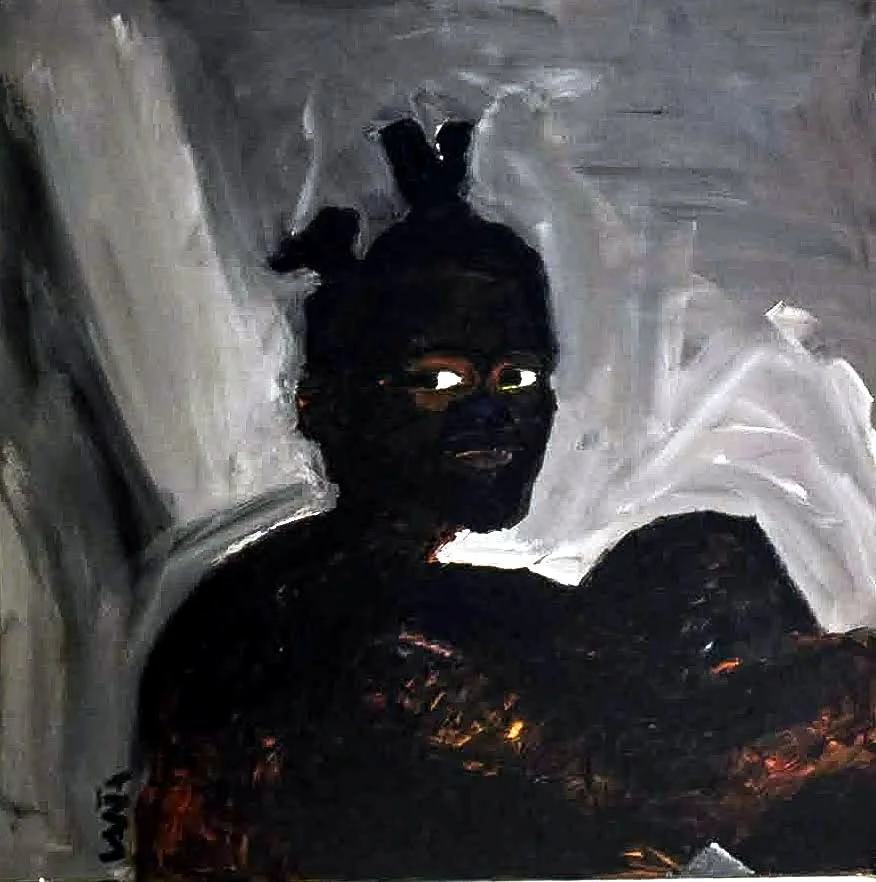
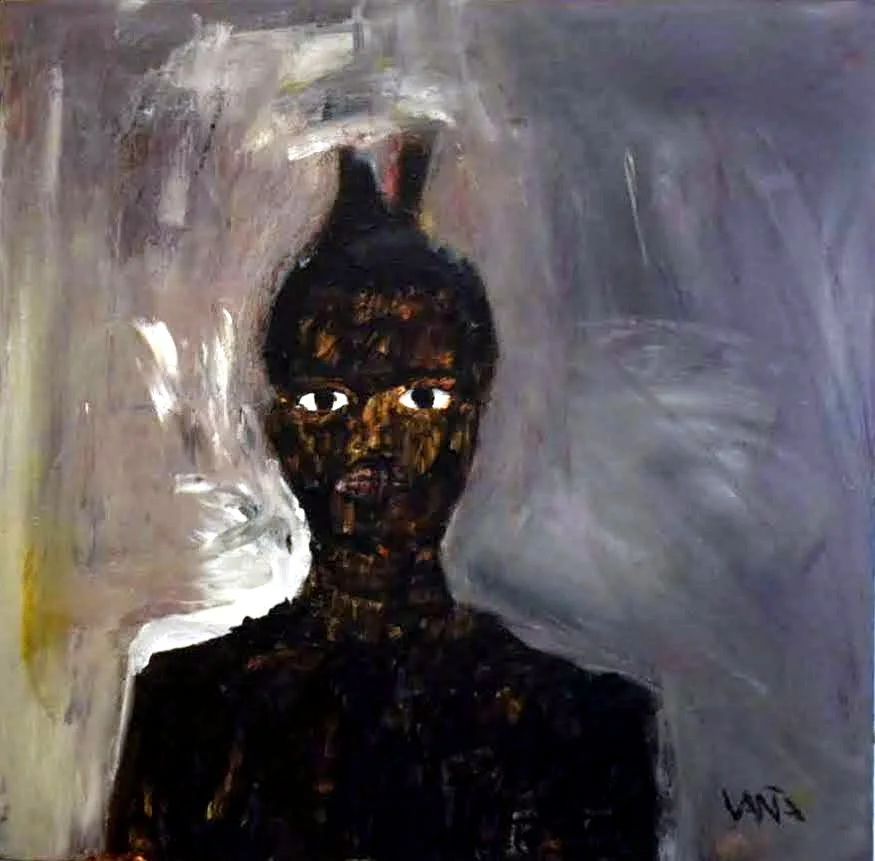
i was learning that some things only show themselves in the dark. all around me were people living through the worst of it, and somehow they shone, like lights that only come on when it is really dark. i was reading barbara brown taylor then too, and other writings on how quickly we tie the dark to what is bad, to evil. i became curious about the dark. seeds split open in it, roots find their way through it, a baby grows in it, and jesus rose again in it. new life begins there. i felt at home in the dark. she lived there, and so did i.
and then colour came back into my work, bright and saturated, and soft pastel too. it crept into dwelling first, where charcoal and pastel on wood gave way to paint, and the people in it began to hold colour the way places hold light. in mixed feelings and face it carried every mood of a strange year, a pandemic, a move, a new haircut. in breakfast at home it turned soft and warm, a woman nude and nourished over tea, stretch marks and all, a quiet rebellion. in silenced it got loud, the ordinary people on nairobi's streets after the 2024 violence. in learning the steps it started to dance.
the more i follow her, the more i see that the raincaller's story is the story of all my series. she was there in dwelling before she had a name, a person who is also a place, waiting to be explored. she is in the colour that came after, in the softness, the anger and the dancing. she hasn't sat down to breakfast at home yet, but she will.
i don't know yet where she is going. sometimes i wonder if all this colour is just another coat, like the one i put over the black before i stepped out that night. where is the rain? what is the rain? maybe it washes over every coat, the black and the colour, and at the very end she is painted in her own skin. skin, colour, black, colour, skin. maybe by the end, that will have been the whole story.
on 14 november 2026, ten years after that first photograph, part two of raincaller will be revealed here. it won't be the last.